

Free express quote
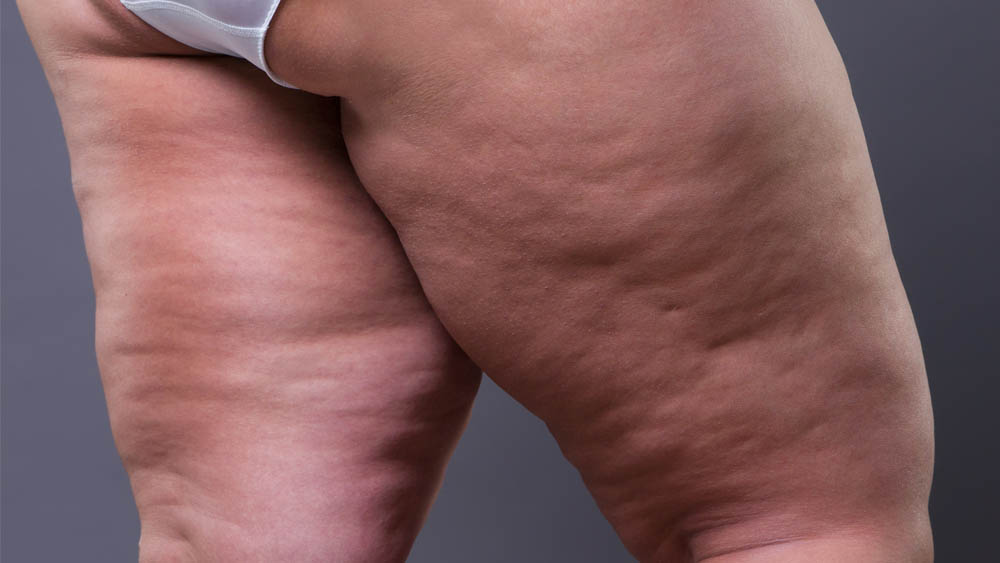
Lipedema is a chronic fat-distribution disorder that affects mostly women, causing an abnormal, symmetrical buildup of fat in the hips, thighs, buttocks, and sometimes the arms. It’s often accompanied by pain, swelling, easy bruising, and a heavy, achy feeling in the limbs. Unlike ordinary weight gain, lipedema does not respond to diet or conventional exercise, and managing it effectively usually requires a combination of conservative therapies and, in more advanced stages, targeted surgical procedures such as lipedema-specific liposuction.
In the United States, finding a surgeon with real, specialized experience in lipedema — rather than general cosmetic liposuction — can be difficult. Specialized centers are limited, waiting lists for experienced surgeons can stretch for months, and out-of-pocket costs at private US clinics are often extremely high, since most insurance plans still classify lipedema surgery as “cosmetic” and refuse coverage. As a result, a growing number of American patients are looking abroad, and Turkey — particularly Istanbul — has become one of the most popular destinations for affordable, high-quality lipedema treatment. This guide walks through what lipedema is, what treatments are available, and what to know before booking surgery in Turkey.
What Is Lipedema and What Treatments Are Available?
Lipedema is generally classified into four stages, ranging from mild (skin still smooth, with barely noticeable fat deposits) to severe (large masses of tissue that significantly limit mobility). Diagnosis should be made by a specialist — typically a vascular specialist, lymphedema specialist, or a plastic surgeon with specific experience in lipedema — through a clinical exam and, in some cases, ultrasound or other imaging to rule out lymphedema or other related conditions.
The most common treatment options include:
Conservative therapy — manual lymphatic drainage, custom compression garments, physical therapy, and low-impact activities such as swimming or water aerobics. This is usually the starting point and is often continued alongside or after surgery.
Tumescent liposuction (WAL – Water-Assisted Liposuction) — a gentle technique that uses pressurized water jets to separate fat cells without damaging the lymphatic vessels. This is one of the preferred methods for lipedema because it specifically protects lymphatic tissue.
Laser- or vibration-assisted liposuction (PAL/Vibroliposuction) — useful for reshaping affected areas while reducing trauma to surrounding tissue.
Combined, multidisciplinary protocols — some clinics offer programs that integrate surgery with post-operative physical therapy and nutritional support to optimize long-term results.
The right choice of technique depends on the stage of the disease, your budget, the surgeon’s experience, the quality of the facility, and the availability of follow-up care once you’re back home.
Why American Patients Are Choosing Turkey for Lipedema Treatment
Istanbul has become one of the world’s leading hubs for medical tourism, with a huge number of clinics specializing in plastic and reconstructive surgery. Many of these clinics offer “all-inclusive” packages that bundle the surgery itself with hotel accommodation, airport transfers, and sometimes even a dedicated nurse for the duration of your stay.
The main advantages of choosing Turkey for lipedema treatment include:
Dramatically lower costs compared to the US. Multi-area lipedema liposuction in the US can easily run $15,000–$30,000 or more per procedure when paid out of pocket, since insurance rarely covers it. In Turkey, a comparable multi-area procedure — including the package — typically costs between $2,500 and $6,000, representing savings of 70–85%.
Direct and connecting flights from major US cities. Istanbul is served by direct flights from New York, Washington D.C., Chicago, Los Angeles, and other major hubs, and Turkish Airlines in particular has an extensive network connecting to dozens of US departure cities.
High surgical volume and experience. Many Istanbul clinics treat thousands of international patients every year, giving their surgical teams substantial hands-on experience with body-contouring and lipedema procedures.
All-inclusive packages that simplify planning. Accommodation, transport, and sometimes aftercare staff are often bundled into the price, reducing the logistical burden for someone traveling from overseas.
That said, there are important things to be aware of. The sheer number of clinics and “medical tourism” agencies in Turkey means the market is very uneven — quality can vary enormously from one facility to another, and it isn’t always easy to verify a surgeon’s real credentials from abroad, especially when communication goes through a commercial agency rather than directly with the doctor. Before booking, it’s worth taking the time to:
- Verify the surgeon’s certifications with Turkish and international medical boards.
- Ask specifically for before-and-after photos of lipedema cases — not just general cosmetic liposuction results, since the techniques and goals are different.
- Get clear, written confirmation of exactly what’s included in the package, and what happens (and what it costs) if complications arise or additional sessions are needed.
- Arrange post-operative follow-up in advance, ideally with a physical therapist or physician in the US who can monitor your healing and lymphatic management after you return home.
The language barrier is generally less of an issue than people expect — most reputable clinics that work with international patients have English-speaking staff and coordinators available throughout the process.
What to Expect: Cost Breakdown
When budgeting for lipedema treatment in Turkey, it helps to think beyond just the surgeon’s fee:
- Surgery package : Most all-inclusive packages for multi-area lipedema liposuction fall in the $2,500–$6,000 range, depending on the number of areas treated and the number of sessions required.
- Travel : Round-trip flights from the US to Istanbul typically range from roughly $500 to $1,200 depending on the season and departure city.
- Recovery stay: Most packages include hotel accommodation for the recovery period, generally 5 to 10 days, though some patients choose to extend their stay.
- Compression garments and aftercare supplies : These are sometimes included in the package but can otherwise add a few hundred dollars.
- Follow-up care at home: Budget separately for any physical therapy, lymphatic drainage sessions, or check-ups with a US-based provider after you return.
Even accounting for all of these extras, the total cost is, in most cases, still a fraction of what an equivalent procedure would cost in the United States.
A Practical Checklist Before Booking
Before committing to a clinic in Turkey, it’s worth working through a few key questions:
- Does the surgeon have specific, documented experience treating lipedema — not just general cosmetic liposuction?
- Can you have a preliminary consultation (ideally a video call) to discuss your stage of lipedema, realistic expectations, and how many sessions you’re likely to need?
- Does the quote include every cost item — surgery, anesthesia, any hospital stay, compression garments, medications, and post-operative checks?
- Is the recommended recovery time before flying home realistic for your specific procedure (generally 5–10 days)?
- Do you have a follow-up plan in the US with a physical therapist or physician who can support your lymphatic management and monitor healing over the following weeks and months?
- Have you looked beyond price at overall patient experience — English-language support, facility quality, and reviews specifically from other lipedema patients (not just general cosmetic surgery patients)?
For American patients facing limited insurance coverage and high out-of-pocket costs at home, Turkey offers a combination of experienced surgical teams, modern facilities, and significant cost savings — often 70% or more compared to US pricing — along with convenient all-inclusive packages and good flight connectivity from major US cities. As with any medical travel decision, the final choice should be based on a personalized medical evaluation, a transparent comparison of what’s included in each package, and a solid plan for follow-up care once you’re back home.
The 4TECH Protocol by Dr. Youssef Gam: A Smarter Path to Lipedema Treatment in Tunisia
Tunisia has quietly become one of the most compelling options for patients seeking effective lipedema care without the crushing price tag attached to treatment in the US or Western Europe. At the center of this shift is the 4TECH protocol, developed by Dr. Youssef Gam, a surgeon who has built his practice specifically around lipedema management and advanced body contouring.
Rather than relying on a single procedure, 4TECH combines four complementary steps into one coordinated treatment plan, an approach built to handle lipedema’s complexity in a way that conventional liposuction simply isn’t designed for:
- Personalized pre-treatment mapping: a detailed evaluation of how the lipedematous tissue is distributed, allowing the surgical team to plan each treatment zone with precision and minimize the risk of asymmetry or lymphatic injury.
- Gentle tumescent liposuction: excess fat is removed while the lymphatic vessels are carefully preserved, which translates into less post-operative swelling, fewer bruises, and a noticeably quicker recovery.
- Lymphatic drainage support, both during and after surgery: targeted techniques that help keep the lymphatic system functioning, something especially important for lipedema patients whose lymphatic circulation is already compromised.
- A structured recovery plan: clear protocols for compression wear, early movement, and remote follow-up visits, all aimed at locking in results over the long run and reducing the chances of localized recurrence.
Dr. Gam’s team describes the goal of this combined approach as delivering results that are more balanced and longer-lasting than what isolated procedures typically achieve, while also shortening the patient’s downtime. For anyone flying in from abroad with only a limited window for recovery before heading home, that shorter downtime can make a real difference.
Cost is where this option really sets itself apart. Treatment under the 4TECH protocol in Tunisia often comes in at roughly half the price of comparable procedures in the US, and it’s frequently more affordable than equivalent treatments in Spain or Turkey as well. Several factors drive this gap: Tunisian clinics operate with lower overhead, the overall cost of living keeps prices down, and there’s none of the markup that international medical tourism agencies tend to add.
For US patients, choosing Tunisia for this kind of protocol means getting access to a personalized, multi-step treatment plan at a fraction of domestic prices. The cultural side of the trip is also easier than many expect, French and English are both widely spoken across the Tunisian medical sector, so communication with the care team is rarely a barrier even for patients with no prior connection to the country.
As with any treatment abroad, the first step should always be a thorough preliminary assessment, ideally through a video consultation. This gives patients a personalized treatment plan, a full breakdown of expected costs (procedure, hospital stay if needed, compression garments, and follow-up visits), and clear instructions for post-operative care once they’re back home in the US.